
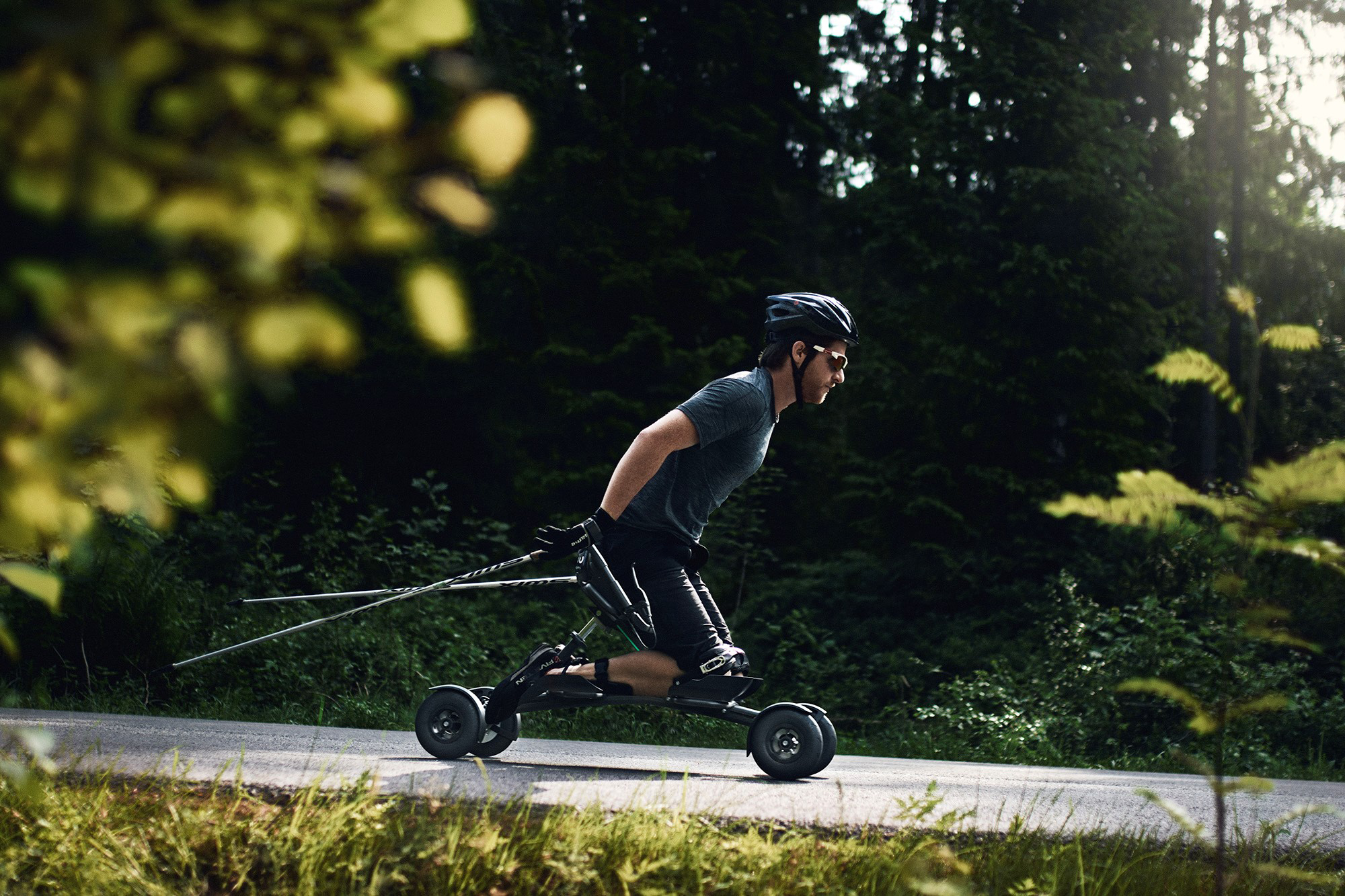
How Biomechanics, Research, and User Experience Shape Adaptive Sit-Skiing
This article explores sit-ski biomechanics of Spike and how research-driven design improves performance, comfort, and fatigue management for Spike users.
At SmartGroup, we develop adaptive sports equipment with one clear ambition: to help athletes move more efficiently, comfortably, and confidently, regardless of ability level.
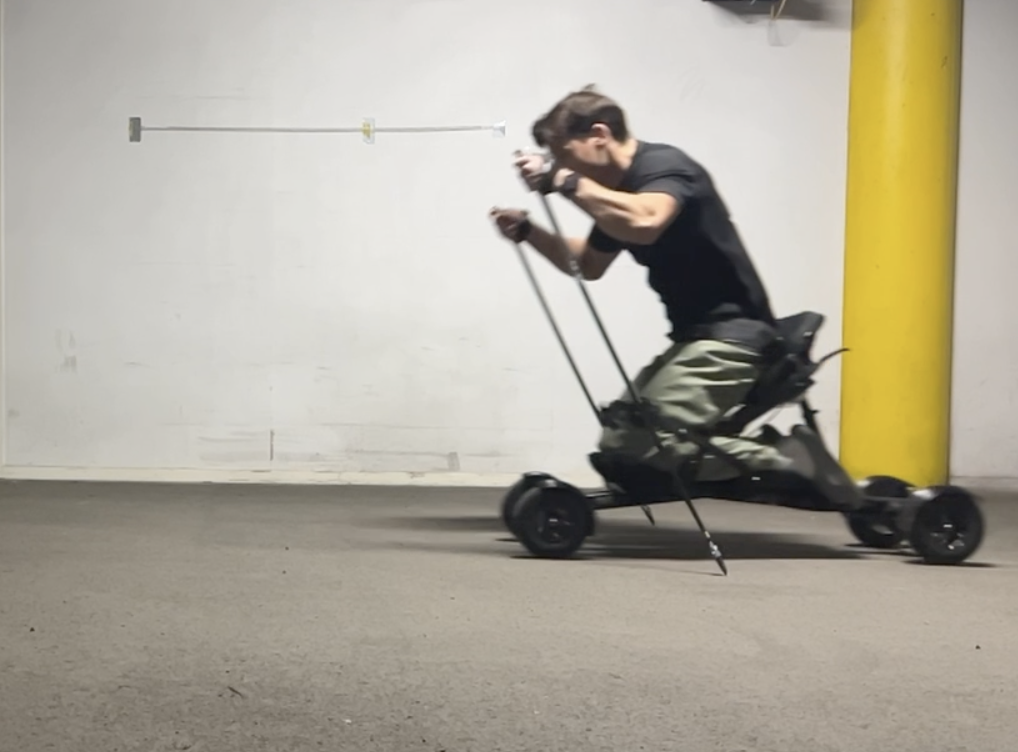
One of our core products, Spike, is designed for double-poling cross-country skiing as well as off-season training. While Spike is already highly adjustable, research shows that even small changes in setup and support can have a significant impact on performance, fatigue, and overall enjoyment.
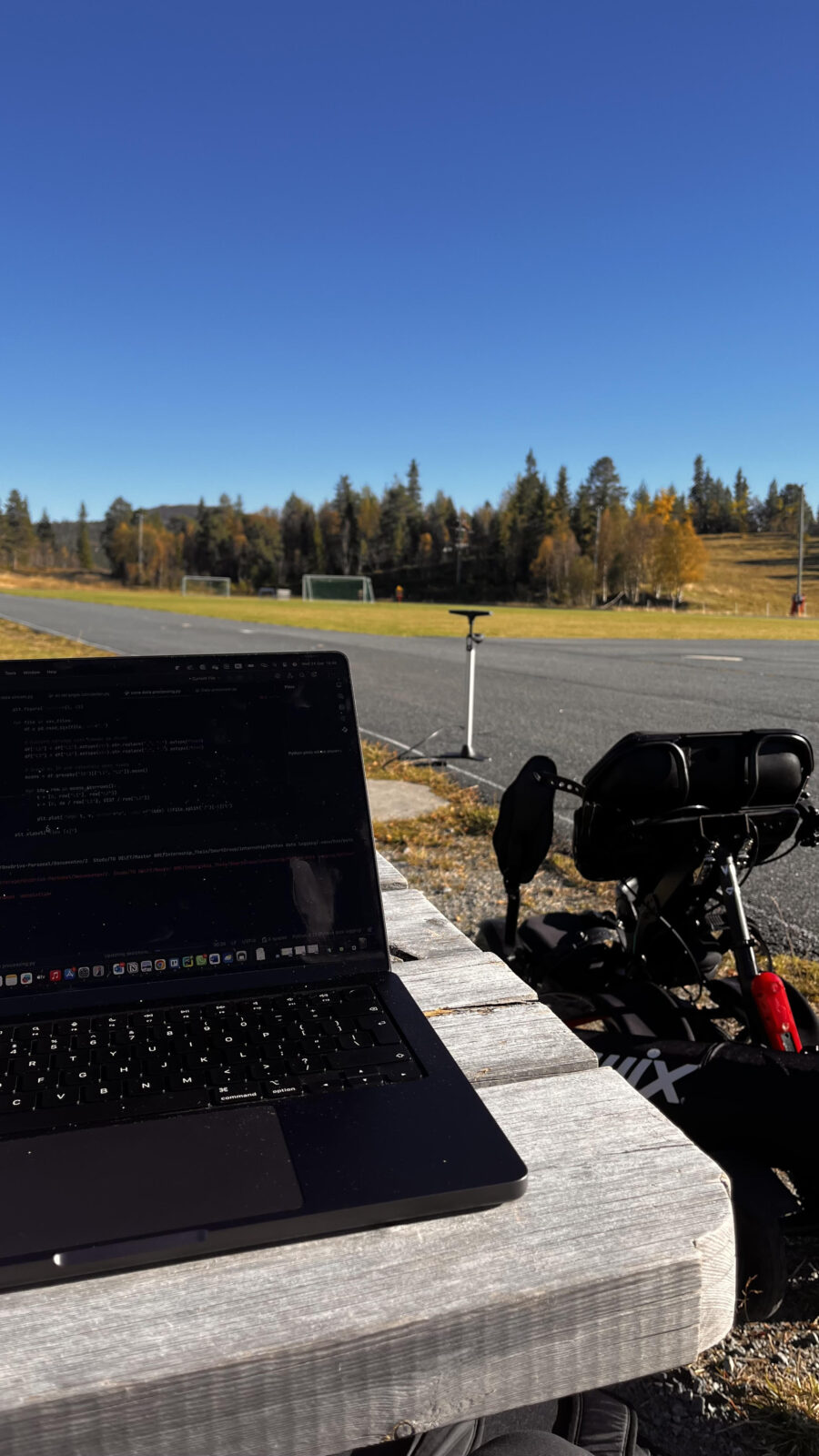
To better understand these factors, we recently hosted Frederique Faasen as an intern at SmartGroup. During her internship, Frederique worked on a research project focused on the biomechanics of sit-skiing and the Spike user experience.
This article summarizes the key findings from her work and explains how they translate into practical, evidence-based guidance for Spike users.
Why sit-ski biomechanics matter for Spike users
Sit-skiing places very high demands on the upper body and trunk, as propulsion relies almost entirely on the arms, shoulders, and core. Unlike standing cross-country skiing, there is no contribution from the lower body, which means:
- Small inefficiencies quickly lead to fatigue
- Shoulder and arm load accumulates over time
- Equipment setup strongly influences force transfer
Biomechanical research shows that seat position, pole length, trunk movement, and stability all play a major role in how efficiently an athlete can ski. Understanding sit-ski biomechanics of Spike is essential for optimizing equipment setup and reducing unnecessary energy loss during poling.
Research-driven insights from a Spike internship
During her internship at SmartGroup, Frederique combined:
- A structured review of scientific literature on sit-skiing biomechanics
- User research with Spike athletes, focusing on fatigue, comfort, and stability
- Simplified biomechanical modeling to explore the effects of seat height and pole length
The goal was to reduce the trial-and-error approach many recreational sit-skiers rely on, and instead provide clear, evidence-based guidance that is easy to apply in practice.
What Spike users experience in practice
User feedback revealed a generally very positive experience with Spike, but also some recurring challenges:
- Fatigue most commonly develops in the shoulders and arms
- Stability is usually good, but even slight imbalance increases effort
- Many users rarely adjust their setup, despite its impact
- Trunk engagement strongly affects efficiency and endurance
One particularly important finding was that insufficient support leads to energy loss:
when athletes feel unbalanced, a significant part of their effort is redirected from propulsion to stabilizing the upper body.
Sit-ski biomechanics of Spike and practical setup
Based on research, user feedback, and modeling, several clear recommendations emerged.
1. Optimize seat height
Seat height affects both reach and stability:
- Higher seat → longer strokes and potential for higher speed
- Lower seat → increased stability and reduced balance demands
The optimal height depends on trunk control, confidence, and skiing goals.
2. Choose pole length for efficiency — not just reach
Pole length has a direct impact on joint loading:
- Longer poles increase reach but also shoulder and elbow strain
- Slightly shorter poles often improve force efficiency and control
Efficient force transfer is more important than maximum reach.
3. Encourage controlled trunk involvement
Active trunk engagement distributes effort across larger muscle groups and reduces reliance on the arms alone. Research consistently links trunk involvement to:
- Higher propulsion efficiency
- Reduced arm fatigue
- Better endurance over longer sessions
Spike should be configured to allow trunk movement without compromising stability.
4. Use supports proactively to reduce energy loss
One of the most important findings relates to support and stability.
Research showed that when an athlete is not sufficiently supported, a large portion of energy is lost to balancing the upper body instead of producing forward motion. Even small feelings of instability can lead to meaningful increases in fatigue.
Supports such as backrests, belts, thigh supports, or cushions should therefore be used as soon as the athlete feels even slightly unbalanced — not only when instability becomes obvious.
Proper support does not restrict movement. It creates a stable foundation that allows more effective force transfer and longer, more comfortable sessions. This is especially important for athletes with limited trunk control or during longer rides.
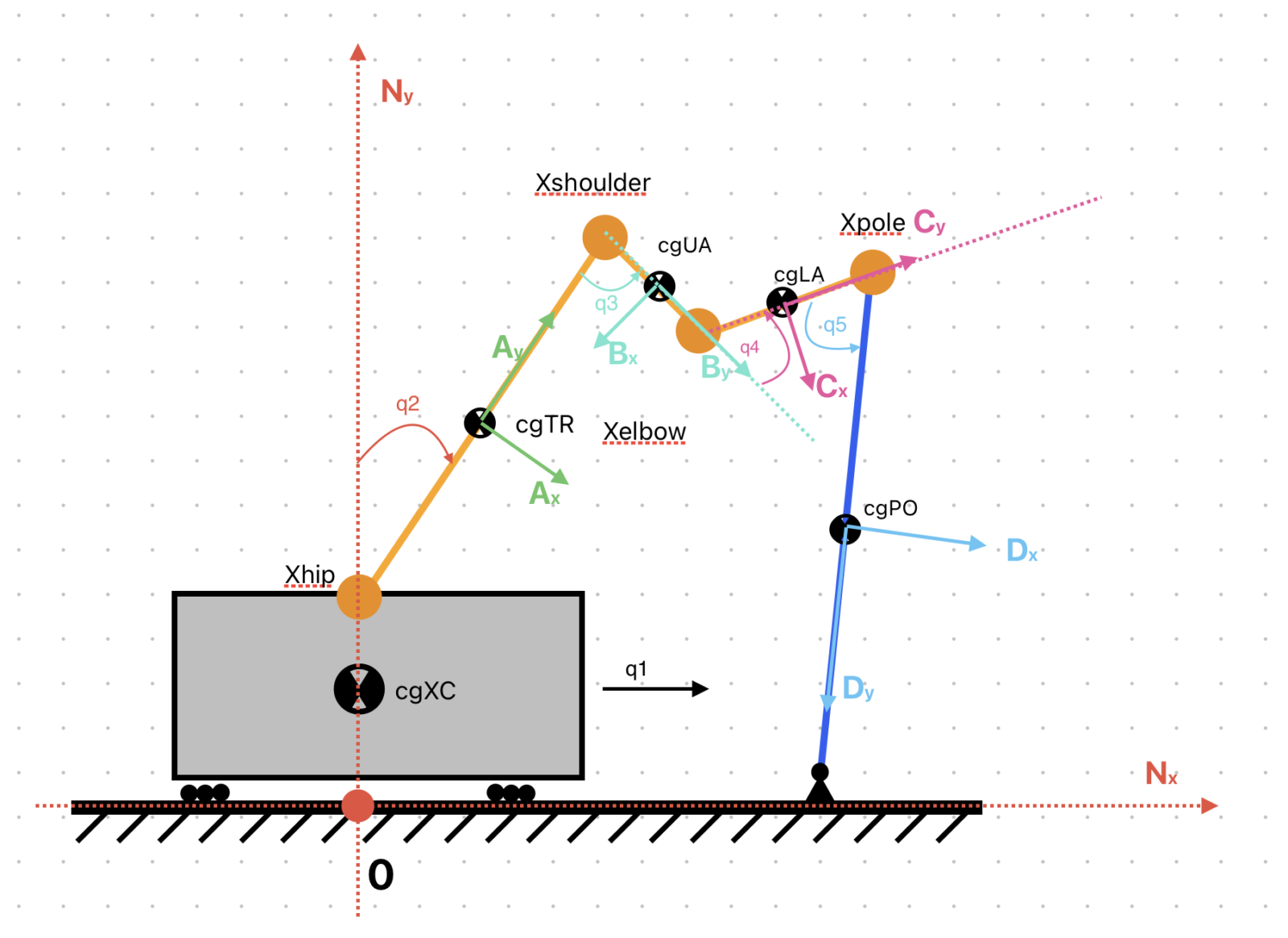
Learn more: full research article
This blog post summarizes key findings from Frederique’s internship work.
If you would like to explore the topic in more depth, you can read the full research article here:
👉 [Link to Frederique Faasen’s full article]
What this means for Spike users
Spike is designed to be highly adjustable, because no two athletes are the same. With the right setup, users can:
- Improve comfort
- Increase efficiency
- Reduce fatigue
- Extend time on snow
By combining research, real-world user feedback, and continuous development, SmartGroup continues to evolve Spike to better support both recreational and performance-oriented sit-skiers.
If you want to learn more of have any question, please contact us at post@smartgroup.no


